There’s something magical about the way a bold spice blend can reinvent a beloved dish.
Take the classic Hawaiian poke bowl—chilled, clean, with creamy avocado, fresh ahi tuna, and a gentle kiss of soy and sesame.
It’s comfort in a bowl.
But what happens when you infuse it with the warm, earthy complexity of Yemeni seasoning?
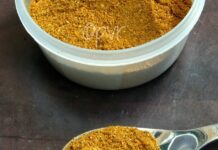
Enter RoboFood Hawaij Seasoning: a traditional blend of cumin, black pepper, turmeric, and cardamom that carries the soul of Middle Eastern cuisine.
Today, we’re merging island freshness with desert warmth to create a Spicy Hawaij Ahi Poke Bowl that’s vibrant, aromatic, and wildly addictive.
Why Hawaij Belongs in Your Poke Bowl
At first glance, Hawaiian and Yemeni cuisines might seem worlds apart—one lush with tropical fruit and ocean bounty, the other rooted in desert resilience and spice trade history.
But both traditions celebrate bold flavors, aromatic spice, and dishes that satisfy both body and spirit.
Hawaij, traditionally used in soups and stews, shines with warmth and depth.
When applied thoughtfully to raw fish, it creates a striking contrast: cool and fiery, gentle and intense, bright and earthy.
The cumin and turmeric in RoboFood Hawaij anchor the dish with a golden aroma and subtle pepperiness, while cardamom adds a whisper of sweetness.
Black pepper wakes up the palate, enhancing the tuna’s richness without overpowering it.
Combined with ripe mango, crisp cucumber, and creamy avocado, this fusion bowl doesn’t just taste good—it tells a story of culinary curiosity and bold flavor pairings.
The Evolution of Poke: A Canvas for Global Flavors
Poke (pronounced “poh-kay”) started as a simple preparation of raw fish marinated in sea salt, chili, and seaweed.
Over time, it absorbed influences from Japanese, Korean, and American cuisines—think soy sauce, sesame oil, and even sriracha.
Today’s poke is less a tradition and more a culinary playground.
That’s where Hawaij comes in.
By introducing RoboFood Hawaij Seasoning into the mix, we’re not replacing tradition—we’re expanding it.
This isn’t fusion for the sake of trendiness.
It’s a thoughtful layering of warm, ground-based spices onto a chilled seafood canvas.
The result?
A dish that surprises with every bite and invites conversation.
Key Ingredients and Their Roles
Ahi Tuna: The Star of the Bowl
Fresh, sushi-grade ahi tuna is non-negotiable.
Its firm texture and mild sweetness hold up beautifully against bold seasonings.
Always buy from a trusted fishmonger or grocery with a strong seafood department.
Look for deep red flesh with a glossy sheen—no gray edges or fishy smells.
RoboFood Hawaij Seasoning: The Flavor Catalyst
This blend is what transforms the dish.
In its traditional Yemeni context, Hawaij flavors broths and legumes.
But its balance of earthy cumin, fragrant cardamom, bright turmeric, and sharp pepper makes it surprisingly versatile.
Here, we use it as a dry rub and in the marinade, creating depth without overwhelming the delicate tuna.
Mango: Sweetness Meets Spice
Ripe mango adds tropical sweetness and juiciness, contrasting perfectly with the heat of the Hawaij.
Choose Ataulfo or Kent mangoes—they’re less fibrous and more consistent in flavor.
Dice them just before assembling to prevent sogginess.
Avocado: Creamy Counterpoint
No poke bowl is complete without avocado.
Its buttery richness balances the spice and adds luxurious texture.
For this recipe, creamy Hass avocados work best.
Add them just before serving to maintain their velvety structure.
Base Components: Rice or Greens
Traditional poke bowls use sushi rice, but for a lighter version, swap in baby kale or mixed greens.
I use a 50/50 blend—warm, sticky rice at the base for grounding, topped with a handful of fresh greens for brightness.
Cook sushi rice with a splash of rice vinegar and a pinch of sugar for that signature tang.
Step-by-Step: Crafting the Perfect Hawaij Poke Bowl
Let’s walk through the process.
This recipe comes together in under 30 minutes, making it ideal for a quick weekday lunch or impressing guests at a dinner party.
The key is precision and timing—especially when handling raw fish.
Ingredients
- 1 lb sushi-grade ahi tuna, cubed
- 2 tbsp RoboFood Hawaij Seasoning (divided)
- 3 tbsp low-sodium soy sauce
- 1 tbsp rice vinegar
- 1 tbsp honey or agave
- 1 tsp fresh ginger, grated
- 2 cloves garlic, minced
- 1 ripe mango, diced
- 1 avocado, sliced
- 1 cup cucumber, small dice
- 1/4 cup red onion, thinly sliced
- 1/4 cup pickled ginger (optional)
- 2 green onions, sliced
- 1/4 cup cilantro, chopped
- 1 cup sushi rice or mixed greens
- Toasted sesame seeds or crushed peanuts (for garnish)
Preparation
- Marinate the tuna: In a glass bowl, whisk together soy sauce, rice vinegar, honey, ginger, garlic, and 1 tablespoon of RoboFood Hawaij. Add the cubed tuna, tossing gently to coat. Cover and refrigerate for 15–20 minutes. Do not exceed 30 minutes, or the acid will begin to cure the fish like ceviche.
- Prepare the base: While the tuna marinates, cook sushi rice according to package instructions. Fluff with a fork and set aside. If using greens, rinse and dry them thoroughly.
- Chop the vegetables and fruits: Dice mango, cucumber, and avocado. Slice red onion and green onions. Keep everything chilled for contrast.
- Assemble the bowl: Start with rice or greens. Layer with marinated tuna, mango, avocado, cucumber, red onion, and pickled ginger. Drizzle any remaining marinade lightly over the top.
- Finish with flair: Sprinkle with the remaining 1 tablespoon of RoboFood Hawaij (for extra aroma), green onions, cilantro, and sesame seeds. Serve immediately.
Flavor Profile and Sensory Experience
The first bite is a revelation.
The cool tuna yields to a burst of citrusy soy and floral honey, followed by the slow bloom of cumin and cardamom from the Hawaij.
The mango delivers sweetness that tempers the spice, while cucumber offers crunch.
Each component plays a role: rice absorbs the marinade, avocado cools the heat, and the extra sprinkle of seasoning adds a final aromatic punch.
Unlike traditional poke, where flavors are mostly umami and salty, this version dances across the palate—sweet, spicy, tangy, earthy.
It’s a full-spectrum experience that keeps you coming back for more.
Variations and Customizations
This recipe is incredibly flexible.
Here are a few ways to make it your own:
- Vegan version: Replace tuna with marinated tofu or jackfruit. Use the same marinade—tahini can be added for creaminess.
- Spice level: Add a dash of cayenne or a few drops of chili oil for extra heat. Hawaij is warm but not fiery, so this is perfect for heat lovers.
- Grain swaps: Try cauliflower rice, quinoa, or farro for a different texture and nutritional boost.
- Herb swaps: Mint or parsley can complement the cardamom beautifully.
- Protein variation: Use seared scallops or grilled salmon for a warm alternative.
Pairing and Serving Suggestions
This poke bowl stands proudly on its own, but it pairs wonderfully with a crisp white wine like Sauvignon Blanc or a light lager.
For non-alcoholic options, try sparkling water with lime or a hibiscus iced tea for floral contrast.
For a full meal experience, serve with miso soup or a simple seaweed salad.
If you’re feeling adventurous, add a side of pickled daikon or kimchi for fermented tang.
Why This Recipe Works for Modern Home Cooks
Today’s home chef values flavor, health, and speed.
This Hawaij Ahi Poke Bowl delivers on all fronts.
It’s rich in protein, healthy fats, and vibrant produce.
It’s gluten-free (use tamari instead of soy sauce), dairy-free, and can be made low-carb with a greens-only base.
Plus, it’s easy to meal prep—the marinade and chopped veggies can be stored separately, with tuna added fresh.
Kitchen Tips for Success
- Cubing the tuna: Use a sharp knife and wipe it between cuts to keep edges clean.
- Marinating time: Stick to 20 minutes. Longer marination can over-cure the fish.
- Chilling components: Keep everything cold until serving for a refreshing texture.
- Portion control: This bowl is rich, so a 4- to 5-ounce serving of tuna per bowl is plenty.
Closing Thoughts: A Bold New Chapter for Poke
The Spicy Hawaij Ahi Poke Bowl isn’t just a recipe—it’s a celebration of culinary curiosity.
It shows how a single spice blend, rooted in ancient tradition, can inspire modern creativity.
RoboFood Hawaij Seasoning brings more than flavor; it brings heritage, warmth, and a story worth sharing at your table.
So next time you’re craving something fresh but exciting, skip the usual and reach for the unexpected.
Let the earthy aroma of cumin and cardamom guide your kitchen adventures.
After all, the best meals aren’t just eaten—they’re explored.