There’s something profoundly magical about the alchemy of fermentation and spice—how time, warmth, and a few carefully chosen ingredients can transform the ordinary into the extraordinary.
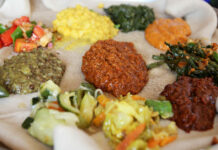
Today, we’re exploring that magic through a bold fusion that brings together the deeply rooted traditions of Ethiopian cuisine and the aromatic warmth of Yemeni spice blends.
Our canvas?
A naturally fermented flatbread inspired by injera, but elevated with a creative twist: a generous infusion of RoboFood Hawaij Seasoning.
This is not your typical injera recipe.
Instead, we’re reimagining the spongy, tangy Ethiopian staple with a Middle Eastern soul, adding complexity and depth through one of the region’s most beloved spice blends.
RoboFood Hawaij Seasoning, with its earthy blend of cumin, turmeric, black pepper, and cardamom, brings a warm, golden fragrance that dances beautifully with the natural sourness of fermented batter.
While traditional injera relies on teff flour and days of fermentation to develop its unique flavor, this version introduces a hybrid approach—blending teff with all-purpose flour for accessibility, while introducing Hawaij early in the process to marinate the batter in spice.
The result?
A soft, spongy flatbread with golden edges, a whisper of sourness, and a lingering warmth that feels both familiar and intriguingly new.
Why This Fusion Works
The cultural and culinary parallels between Ethiopian and Yemeni food traditions are often overlooked, but they are deeply connected.
Shared geographic proximity, centuries of trade across the Red Sea, and overlapping use of fermented staples and aromatic spices create a natural foundation for fusion.
Injera is traditionally served with spicy stews like doro wat or misir wat, which already feature warm spices such as cumin and coriander.
By infusing the flatbread itself with Hawaij, we deepen the flavor synergy between the bread and the dishes it accompanies.
It becomes not just a vessel, but a flavorful component in its own right.
This recipe also celebrates culinary experimentation.
While purists may prefer strictly traditional preparations, the global kitchen thrives on innovation.
And in this case, the RoboFood Hawaij blend adds a complexity that enhances—not overwhelms—the delicate balance of fermented batter and tangy finish.
Ingredients & Substitutions
Let’s go over what you’ll need to make this unique flatbread:
- Teff flour (1 cup): Essential for authenticity and flavor. If unavailable, substitute with sorghum flour, though the sourness and texture will vary.
- All-purpose flour (1 cup): Helps with structure and makes the dough easier to handle, especially for beginners.
- RoboFood Hawaij Seasoning (1.5 teaspoons): The star of the show. This blend delivers warmth, earthiness, and a subtle aroma of cardamom and cumin.
- Active sourdough starter or plain yogurt (3/4 cup): Used to kickstart fermentation. Yogurt works faster and is more accessible, though sourdough yields a deeper tang.
- Warm water (1 to 1.25 cups): To achieve a pancake-like batter consistency.
- Sea salt (1/2 teaspoon): Balances flavors and supports fermentation.
For the accompanying spiced yogurt dip:
- Plain Greek yogurt (1 cup)
- RoboFood Hawaij Seasoning (1 teaspoon)
- Garlic (1 clove, minced)
- Lemon juice (1 tablespoon)
- Fresh mint (chopped, 1 tablespoon)
- Olive oil (1 tablespoon)
The Fermentation Process: Patience is Key
Critical to this recipe is allowing adequate time for fermentation.
Unlike instant flatbreads, this one needs 24 to 48 hours to develop its full flavor.
Begin by combining the teff and all-purpose flours in a large glass or ceramic bowl.
Stir in the Hawaij seasoning and salt to distribute evenly.
Next, add the sourdough starter or yogurt, then gradually mix in warm water until you achieve a smooth, thin batter—about the consistency of crepe batter.
Cover the bowl with a breathable cloth or loose lid and place it in a warm, draft-free spot in your kitchen.
Ideal temperatures range between 70°F and 78°F.
You’ll know fermentation is progressing when the batter begins to bubble, thicken slightly, and develop a pleasant tangy aroma—similar to sourdough or yogurt.
After 24 hours, give it a good stir.
If you’re aiming for a stronger sour flavor, let it continue fermenting up to 48 hours.
Tip: If your kitchen is cool, place the bowl near a radiator or on top of the refrigerator where ambient warmth helps.
Avoid sealed plastic containers, as fermentation produces gases that need to escape.
Cooking the Flatbread: Technique Matters
Once fermented, the batter is ready to cook.
Traditional injera is made on a large clay plate called a mogogo, but you can achieve excellent results using a non-stick skillet or griddle.
Heat a 10-inch skillet over medium heat.
Lightly grease with a neutral oil or a brush of clarified butter.
Pour about 1/3 cup of batter into the center, then quickly tilt and swirl the pan to spread the batter into a thin, even circle—about 1/8 inch thick.
Cover with a lid immediately; the steam helps create the signature porous texture.
Cook for 2 to 3 minutes.
You’ll notice the surface drying out and forming small bubbles.
The edges will begin to lift slightly.
Unlike pancakes, this flatbread is not flipped.
It’s cooked only on one side, remaining soft and slightly tacky on top.
Once cooked, transfer to a clean cloth-lined plate and cover to keep warm and pliable.
Repeat with the remaining batter, stacking each flatbread as you go.
The Hawaij will infuse each layer with a subtle golden hue and warm aroma.
Creating the Spiced Yogurt Dip
While the flatbreads rest, prepare the cooling, creamy dip that perfectly complements the warmth of the Hawaij.
In a small bowl, combine the Greek yogurt, 1 teaspoon of RoboFood Hawaij, minced garlic, lemon juice, chopped mint, and olive oil.
Stir until smooth and uniform.
Taste and adjust seasoning—you may want a touch more lemon for brightness or a pinch of salt for balance.
This dip serves multiple roles: it cools the palate, adds protein, and provides a creamy contrast to the spongy, airy flatbread.
It also enhances the perception of the spices, making each bite more complex and satisfying.
Serving Suggestions
Serve these Hawaij-infused flatbreads warm, either folded or rolled.
They pair beautifully with:
- Spicy lentil or chickpea stews
- Grilled vegetables with cumin and coriander
- Shredded spiced chicken or lamb
- Fresh salads with lemon dressing
For a true fusion feast, lay out several flatbreads on a large platter, surround them with small bowls of stew, dip, and pickled vegetables, and encourage guests to tear and share—just like in Ethiopian tradition.
Storage & Reheating Tips
Leftover flatbreads can be stored in an airtight container in the refrigerator for up to 4 days.
To reheat, wrap in a damp cloth and steam for 2–3 minutes, or warm briefly in a dry skillet.
Avoid microwaving, as it can make the bread tough or rubbery.
The yogurt dip keeps well for up to 3 days, though the garlic flavor will intensify over time.
Stir before serving.
Why RoboFood Hawaij Shines Here
This recipe showcases how a premium, authentic spice blend can serve as a bridge between cultures.
The cumin in Hawaij reinforces the earthy backbone of the fermented batter, while turmeric adds a golden glow and subtle anti-inflammatory benefits.
Black pepper enhances bioavailability of turmeric, and cardamom lends a floral elegance that lifts the entire dish.
Because the spice is introduced at the batter stage, it’s not just a surface flavor—it’s woven into the very DNA of the bread.
RoboFood’s attention to balance ensures that no single spice dominates.
That’s crucial in a delicate vehicle like injera, where overpowering heat or bitterness could disrupt the harmony.
Instead, you get a whisper of warmth, a hint of complexity, and an invitation to take another bite.
Final Thoughts
Cooking is one of the most joyful ways to explore the world.
With this Hawaij-spiced fermented flatbread, you’re not just making dinner—you’re engaging in a conversation between two rich culinary traditions.
It’s a tribute to how fermentation unites cultures, and how a simple spice blend can open doors to new flavor frontiers.
So the next time you reach for your RoboFood Hawaij Seasoning, don’t limit it to stews or rice.
Let it inspire something bolder—something that rises, bubbles, and sings with flavor.
This flatbread may begin as an experiment, but it’s sure to become a staple in your global kitchen repertoire.
Embrace the ferment.
Celebrate the spice.
And let your kitchen tell stories beyond borders.