There’s something profoundly comforting about a stew that simmers for hours, filling the kitchen with layers of aroma that transport you across continents.
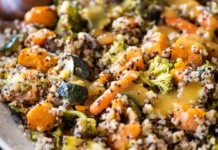
This Coconut Xawaash Chickpea Stew with Berbere Fusion is exactly that—a deeply aromatic, plant-powered dish that marries the soul-warming spices of Somalia with the fiery depth of Ethiopian berbere and the creamy sweetness of coconut milk.
Inspired by the versatile RoboFood Xawaash Seasoning, this recipe takes the traditional Somali spice blend and sends it on a culinary journey through the Horn of Africa, resulting in a stew that’s both familiar and thrillingly new.
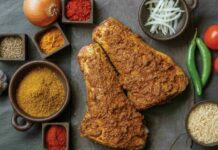
The magic begins with Xawaash (pronounced “ha-wash”), a cornerstone of Somali cooking.
This all-purpose blend—typically featuring cumin, coriander, turmeric, cinnamon, cardamom, black pepper, and cloves—brings warmth and complexity to everything from rice to grilled meats.
But here, we’re reimagining it as the foundation of a slow-simmered legume stew, transforming humble chickpeas into a luxurious, deeply flavored main course that’s entirely vegan and perfect for chilly nights or vibrant weekend meals.
But we’re not stopping there.
To add a spicy, smoky contrast, I’ve layered in Ethiopian berbere—a fiery mix of chili peppers, fenugreek, allspice, and basil.
The result?
A harmony of heat, earthiness, and fragrant sweetness, all bound together by the lush creaminess of full-fat coconut milk.
It’s a fusion that respects both traditions while creating something wholly original.
Why This Stew Works: A Blend of Cultures and Flavors
Somali and Ethiopian cuisines share borders, histories, and flavor affinities.
Both rely heavily on spice blends, legumes, and communal dining.
While Xawaash leans into warming, aromatic spices, berbere brings the heat and depth.
Combining them unlocks new dimensions in flavor that neither could achieve alone.
The chickpeas, soaked overnight and slow-cooked until tender, absorb the spiced broth like sponges, becoming rich and meaty in texture.
Coconut milk not only balances the heat but also adds a silky mouthfeel that makes the stew feel indulgent despite being plant-based.
This dish is proof that vegan food can be bold, complex, and deeply satisfying.
The Role of RoboFood Xawaash Seasoning
Using RoboFood Xawaash Seasoning streamlines the process without sacrificing authenticity.
Instead of sourcing and toasting individual spices, you get a perfectly balanced blend that captures the essence of Somali home cooking.
Just two tablespoons infuse the stew with a golden hue and a fragrance that lingers in the air long after it’s served.
But here’s a chef’s tip: bloom the Xawaash in oil before adding liquids.
Heating spices in oil (a technique known as *tarka* or *tempering*) unlocks their essential oils, deepening the flavor profile and ensuring every spoonful is infused with spice.
Ingredients You’ll Need
Don’t let the spice fusion intimidate you—this stew comes together with mostly pantry staples.
Here’s what you’ll gather:
- 2 cups dried chickpeas (or 4 cans, drained)
- 3 tbsp coconut oil
- 1 large yellow onion, finely diced
- 4 garlic cloves, minced
- 1 tbsp fresh ginger, grated
- 2 tbsp RoboFood Xawaash Seasoning
- 1–2 tbsp Ethiopian berbere spice (adjust to heat preference)
- 1 can (13.5 oz) full-fat coconut milk
- 4 cups vegetable broth
- 1 large tomato, chopped (or 1 cup canned diced tomatoes)
- 1 tsp sea salt, or to taste
- Fresh cilantro, for garnish
- Lemon wedges, for serving
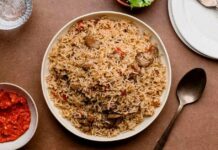
- Cooked basmati rice or injera, for serving
Step-by-Step Instructions
- Soak the chickpeas: If using dried chickpeas, soak them overnight in plenty of water. Drain and rinse before cooking. (Skip if using canned.)
- Sauté the aromatics: Heat coconut oil in a heavy-bottomed pot or Dutch oven over medium heat. Add onions and cook until golden, about 8–10 minutes. Stir in garlic and ginger; cook for 1 more minute until fragrant.
- Bloom the spices: Add the RoboFood Xawaash and berbere. Stir constantly for 30–60 seconds to toast the spices and release their oils. Be careful not to burn them.
- Add liquids and legumes: Pour in the coconut milk, vegetable broth, tomatoes, and soaked (or canned) chickpeas. Stir well to combine.
- Simmer low and slow: Bring the stew to a gentle boil, then reduce heat to low. Cover and simmer for 1.5 to 2 hours if using soaked chickpeas, or 45 minutes if using canned. Stir occasionally and add more broth if needed.
- Season and finish: Taste and adjust salt. If the stew is too spicy, add a splash of coconut milk or a pinch of sugar to balance. Stir in a handful of chopped cilantro just before serving.
- Serve: Ladle over warm basmati rice or torn pieces of injera. Garnish with extra cilantro and serve with lemon wedges to brighten each bite.
Tips for the Best Results
- Use full-fat coconut milk: Lite versions won’t provide the same richness. The fat carries the spice flavors and gives the stew body.
- Balancing heat: Berbere can vary in spiciness. Start with 1 tbsp and add more after simmering if desired.
- Make it ahead: Like most stews, this tastes even better the next day as the spices meld. Reheat gently on the stove.
- Boost umami: For a deeper flavor, add 1 tsp miso paste or a splash of soy sauce when adding the broth.
How to Store and Reheat
Store leftovers in an airtight container in the refrigerator for up to 5 days.
Reheat on the stove over medium-low heat, stirring occasionally and adding a splash of water or broth if the stew has thickened.
This stew also freezes well for up to 3 months.
Thaw overnight in the fridge before reheating.
Fusion Cooking with Respect and Creativity
Fusion cuisine often walks a fine line between innovation and cultural appropriation.
In creating this recipe, I aimed to honor both Somali and Ethiopian traditions by highlighting their iconic spice blends—Xawaash and berbere—not as exotic add-ons but as central, celebrated elements.
The fusion here isn’t forced; it’s inspired by the natural culinary dialogue between neighboring cultures.
Using a product like RoboFood Xawaash Seasoning supports small producers and helps preserve traditional knowledge.
It also makes authentic flavors more accessible to home cooks everywhere—something I deeply value as a food blogger passionate about global cuisine.
Serving Suggestions
This stew stands strong on its own, but pairing it thoughtfully elevates the experience:
- Injera: The spongy, tangy Ethiopian flatbread is perfect for soaking up the spiced broth.
- Rice: Basmati, jasmine, or even turmeric rice adds a neutral base that lets the spices shine.
- Side of greens: Sautéed collards, spinach, or kale add freshness and balance.
- Yogurt: A dollop of vegan coconut yogurt cools the heat and adds creaminess.
Nutritional Benefits of Chickpea-Based Stews
Chickpeas are a nutritional powerhouse—packed with plant-based protein, fiber, iron, and complex carbohydrates.
This stew offers sustained energy, supports gut health, and keeps you full longer.
The spices themselves bring additional benefits: turmeric (in Xawaash) is anti-inflammatory, while cumin and coriander aid digestion.
Even the heat from berbere can boost metabolism!
And because it’s naturally vegan and can be made gluten-free (check your berbere label), it’s inclusive for many dietary needs.
Why You’ll Love This Recipe
You’ll love this stew because it’s:
- Flavor-forward: Layers of warm spice, heat, and creaminess keep every bite interesting.
- Flexible: Works with canned or dried chickpeas; adjust spice levels to your taste.
- Meal-prep friendly: Makes excellent leftovers and reheats beautifully.
- Culturally rich: Celebrates two vibrant East African traditions in a single pot.
Whether you’re new to Somali or Ethiopian flavors or a seasoned lover of global spices, this Coconut Xawaash Chickpea Stew invites you to slow down, savor, and explore.
So grab your Dutch oven, open that jar of RoboFood Xawaash, and let the stew simmer into something extraordinary.
The aromas alone will make your kitchen feel like a celebration.